When cracks show up on a basement wall or a corner starts to lean in, it’s easy to worry about how serious it is. For homeowners, that stress comes from not knowing whether it’s a small fix or something bigger. Building owners, especially in commercial spaces, worry about both safety and what a full repair could do to business operations.
Carbon fiber wall repair gives us a newer option that often works well when the wall has started to shift but hasn’t fully failed. It can be strong enough to stop future movement, all while avoiding the need to tear the wall out and start over. Knowing when this method makes sense can save a lot of time, not to mention major disruption.
Why Walls Start to Crack, Lean, or Bow
Walls rely on ground support, especially those in basements or below grade. When the pressure around that wall changes, the structure can shift. We see this a lot during wetter months in spring and early summer across the Midwest where soil is mostly clay.
- Wet seasons like spring add moisture to the ground, which causes soil to swell and push harder
- Then it dries out in summer, shrinking and pulling back, leaving gaps that let walls move
- Poor drainage, heavy rains, or older foundation designs make this worse over time
Signs to watch for include stair-step cracks in block walls, sections that lean inward at the top, or bulging areas in the middle. These can creep along slowly or show up quickly after a wet spell. Either way, early signs often point to soil pressure problems before the wall becomes unstable.
What is Carbon Fiber Wall Repair and How It Works
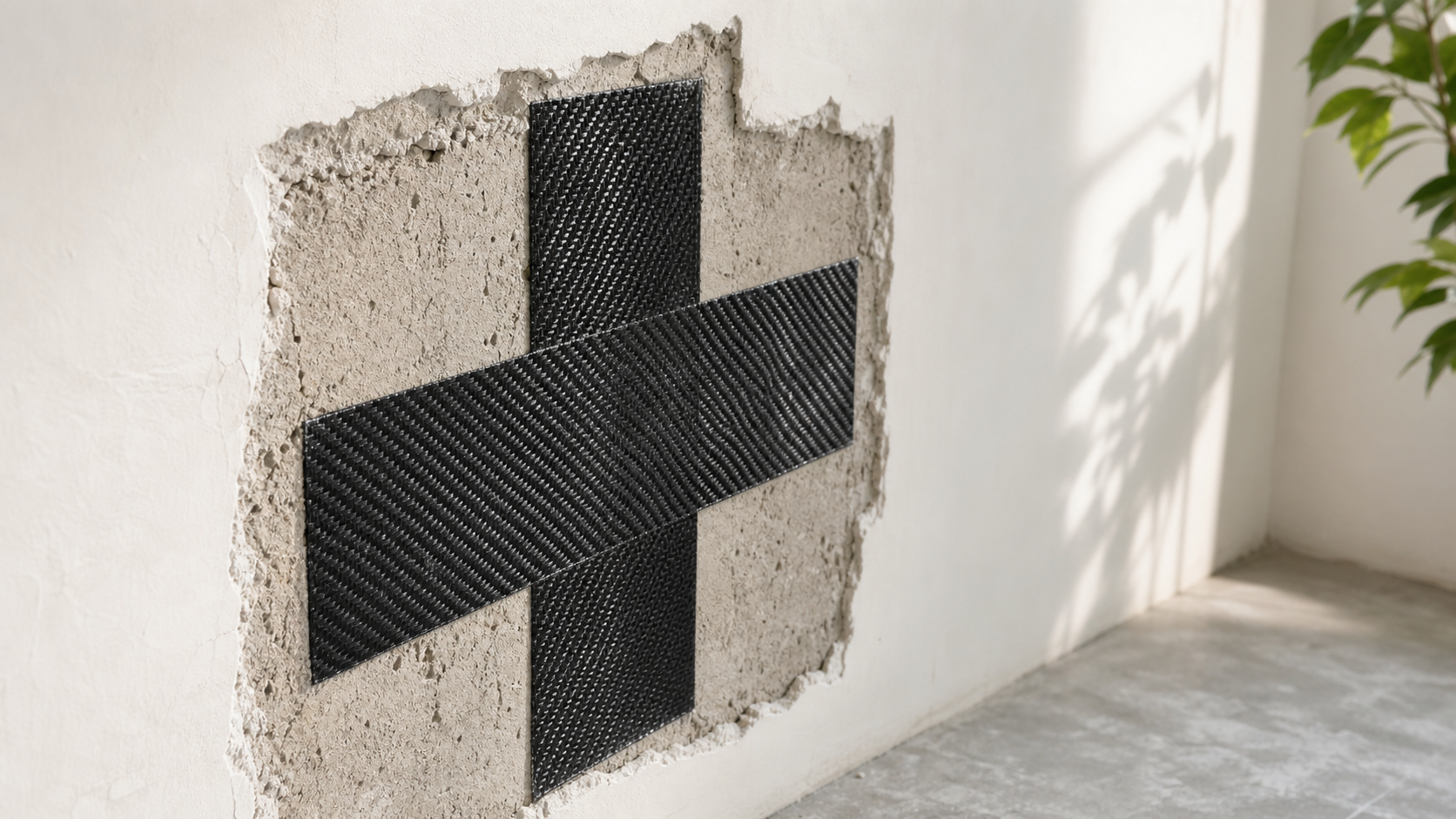
When a wall hasn’t broken apart but has started to bend or crack, carbon fiber can provide steady support with less mess. This method uses long, flat strips applied flat against the wall, usually running from top to bottom in the areas that are bowing.
- The wall surface is cleaned and prepped so the fiber strips can bond tightly
- Carbon fiber is glued in place with epoxy and sometimes anchored into the top or bottom of the wall
- Once cured, these strips act like braces, holding the wall where it is and stopping more movement
Because the carbon fiber is lightweight and doesn’t need extra framing, digging outside, or large repairs inside, we can do the job cleanly and fairly quickly. Carbon fiber wall repair helps hold walls in place and keeps them from leaning or cracking more as pressure changes in the soil.
When Carbon Fiber Wins Over Full Wall Replacement
Replacing a foundation wall is done when the existing wall is beyond repair. That means crumbling blocks, wide open cracks, leaning walls beyond a safe degree, or poor structural strength overall. But when a wall still has solid structure, carbon fiber can be a smart and simpler fix.
Here’s when carbon fiber often makes more sense:
- The wall has minor to moderate leaning or bowing but is not broken through
- Cracks are visible, but the wall still holds firm when lightly pressed or tapped
- There’s no water pouring in through cracks, just movement or pressure signs
Carbon fiber holds the wall in place and limits future damage. It also avoids breaking up concrete, taking walls apart, or setting up temporary supports inside the space. This makes it a safer and less invasive choice for many homes and commercial buildings that still have strong walls, just ones that need reinforcement.
What We Look for During an Inspection
Choosing the right fix starts with really understanding what’s going on. Before we suggest carbon fiber or anything else, we study the wall and the area around it. Surface cracks are one clue, but we also check for load, movement, and outside pressure.
We usually do the following:
- Measure how far the wall has bowed or tilted
- Look at the size, shape, and pattern of any cracks
- Test how solid the wall feels and whether pressure changes when we press nearby
- Check grade slopes, drainage paths, and any water pooling that may make the soil worse over time
By looking at both the inside and outside conditions, we can figure out whether the pressure is stable or still changing. From there, we can tell if carbon fiber will last long-term or if another type of structural support would work better.
Helping Property Owners Avoid Bigger Foundation Problems
Most wall problems don’t show up overnight. Instead, a small crack becomes a longer one. A corner that dips half an inch can slip another inch if nothing is done. These things add up in ways that are easy to miss, especially when they happen slowly over seasons.
Some of the early signs most people overlook include:
- Hairline cracks that spread as seasons shift
- Gaps that grow wider near the middle of a basement wall
- Doors or windows sticking near the problem area
Getting advice early means there’s a better chance we can go with a safe, simple fix like carbon fiber. Waiting often means wider movement, more pressure buildup, and larger repair jobs down the road. It always helps to see what’s going on behind that surface before real damage sets in.
A Smarter Way to Strengthen Bowing Walls
King Waterproofing & Foundation Solutions offers carbon fiber wall reinforcement for residential and commercial buildings, as part of our suite of structural repair services in West Central Illinois, Northeast Missouri, and Southeast Iowa. Our team only recommends carbon fiber methods after a comprehensive interior and exterior inspection verified the wall is a strong candidate for stabilization.
When the wall is still in one piece but just starting to shift, carbon fiber gives us a gentle way to lock it in place. It’s quicker to install, doesn’t disrupt everything inside the basement, and doesn’t require us to dig up the yard.
Early action matters. Once pressure pushes a wall past the safe point, replacement becomes the only option. But when we catch it in time, the wall can be reinforced right where it is. Using carbon fiber isn’t about making walls stronger than they were before, it’s about keeping them from getting worse. And in many homes and buildings, that’s all it takes to keep the structure sound.
With the weather warming up and wet soil settling in deeper, it’s the right season to look closely at basement walls and know what’s happening behind cracks or bulges. A wall that’s still strong today could stay that way for years, but only if we deal with the pressure while it’s still safe to do so.
Noticing wall cracks, bowing, or slight leaning can be unsettling, but it doesn’t always mean you need a full rebuild. When addressed early, solutions like carbon fiber wall repair offer reliable support with minimal disruption. This method helps secure your walls and reduce future movement, especially as the seasons change. At King Waterproofing & Foundation Solutions, we’ll carefully assess your property to determine if this approach is right for your needs. Call us today to schedule your inspection.