
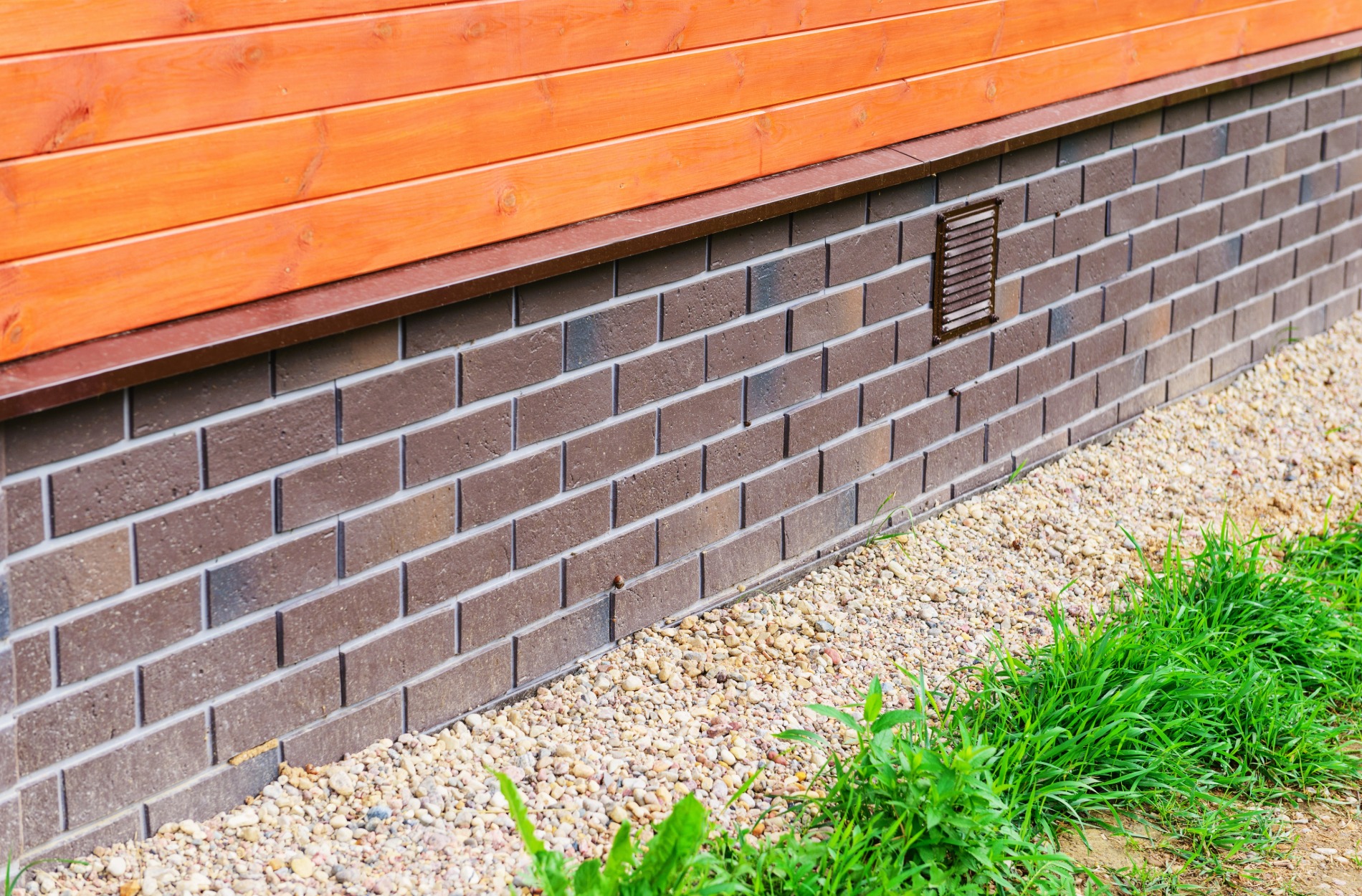
When temperatures start to drop, most property owners prepare for higher heating bills and icy sidewalks. But what often gets overlooked is the stress cold weather puts on a building’s foundation. From frost-covered lawns to frozen ground, winter doesn’t just affect what’s visible. It also impacts what’s underneath your home or commercial structure.
One of the biggest concerns during colder months is how freezing temperatures affect the stability of foundation walls. Seasonal changes in the soil, especially when moisture is involved, can shift and strain your foundation. Understanding how this happens can help you prevent long-term structural problems before they develop into something much worse.
The Science Behind Cold Weather and Foundations
As the ground freezes, the moisture in the soil around your foundation expands. This expansion creates pressure known as frost heave. When temperatures rise and the soil thaws, it contracts again. This back-and-forth cycle is called the freeze-thaw cycle, and it can cause foundation walls to shift or crack over time.
Three main things happen during this cycle:
1. Water in the soil freezes and expands, pushing against anything nearby, including your foundation walls.
2. The frozen soil expands, lifting or pushing parts of the foundation. When the ground thaws, the soil settles unevenly.
3. This repeated pressure from freezing and thawing weakens the soil structure and stresses your foundation.
This is especially tough for properties built on clay-heavy or poorly draining soil. A homeowner might notice small cracks by the end of winter. If left unchecked, those small cracks can grow after several years of repeated freeze-thaw cycles.
Even soil that’s too dry can be a problem. Without enough moisture, soil may shrink and leave gaps around the foundation. That removes support and makes shifting more likely as temperatures change. Both overly moist and overly dry conditions pose risks when temperatures swing during the cold season.
Common Signs Of Cold Weather Damage To Foundation Walls
Winter weather damage may not always show up immediately, but it leaves signs behind. Knowing what to look for can help you catch issues before they become major repairs.
Here are a few warning signs that cold weather may be affecting your foundation walls:
– Hairline cracks or splits that widen over time on foundation or basement walls
– Bulging or bowing walls, which suggest soil pressure outside the wall is growing
– Cracks in drywall inside the home, especially near windows or door frames
– Water seepage or persistent dampness in the basement after snow melts
– Floors that feel uneven or sloped
– Doors or windows that stick or no longer close properly
– Gaps where the walls connect to the floors or ceilings
Even though these symptoms don’t always mean structural failure, they should not be ignored. Keeping track of them helps you stay on top of what’s normal and what needs attention. When problems are caught early, repairs are usually easier and less expensive.
Preventative Measures To Protect Your Foundation
You can’t stop the weather, but you can reduce its effects. Protecting your foundation during winter means finding ways to limit soil shifting and water buildup.
Here are several steps to help keep your foundation stable through the cold months:
– Check drainage around your property. Make sure gutters and downspouts move water several feet away from your foundation. Water close to the building increases freezing risks and puts more pressure on the walls.
– Grade the soil correctly. Soil should slope away from your home or building to prevent water from pooling near the base.
– Insulate exposed foundation walls. If parts of your foundation are above ground or located in unfinished basements, insulating them helps reduce cold transfer and improves soil stability nearby.
– Seal visible cracks. Small cracks can allow water in. Once freezing temperatures hit, that water may expand and make the cracks worse. Sealing them early keeps moisture out.
– Reduce watering around the foundation before winter hits. Damp soil holds water that can freeze more easily. Cutting back on extra watering a few weeks before the first freeze can make a difference.
– Keep an eye on trees and landscaping near your foundation. Tree roots can draw moisture from the soil, creating uneven ground that may shift more when the temperature changes.
Walk the perimeter of your building before and after winter to check for issues. Look for new cracks, soil depressions, or signs of water pooling. Inside, inspect your basement and crawl spaces for dampness or structural shifts. Regular inspections help you spot changes as they develop.
When To Consider Professional Help
Some problems don’t show up clearly until real damage is underway. If you notice wall cracks that keep growing, wet basement areas that don’t dry up, or bulging basement walls, it’s a good idea to bring in a professional. These can be early signs of serious stress related to freeze-thaw cycles, and ignoring them will usually make things worse.
Cracks that curve or run diagonally — especially near corners, windows, or doors — may mean your foundation is shifting. Waiting too long to repair these can lead to larger structural issues down the line. It’s much easier to fix them early on than to wait until the cost and complexity multiply.
Heavy snowfall followed by sudden warming spells can be particularly damaging. Snow that melts against the foundation can soak in and re-freeze, stressing the structure. If you notice new cracks after such weather changes, it’s likely that the extra weight and water contributed to the issue.
Professional services such as crack foundation repair protect your investment and strengthen your walls for future weather. Temporary fixes or patches may hide the issue but rarely solve the root problem. Getting professional help means getting real answers and tailored solutions that hold up over time.
How to Stay Ahead of Winter Foundation Problems
Colder months can be tough, but your foundation doesn’t have to suffer if you stay ahead of the problem. When you know how winter weather affects the ground and the structure beneath your property, it’s easier to stay alert for signs of change and apply the right prevention methods.
Keeping tabs on your walls, watching for cracks, checking drainage, and calling in professionals when something feels off can save you stress and money down the road. Winter might bring cold winds and frosty mornings, but with the right action, it won’t bring damage to your foundation. Stay ready, stay proactive, and you’ll keep everything solid where it counts.
Taking preventative steps is key to maintaining the health of your foundation. However, when small issues start appearing, it’s wise to seek professional guidance to avoid further complications. For expert crack foundation repair, trust King Waterproofing & Foundation Solutions to help keep your property safe and secure through the toughest winters.