
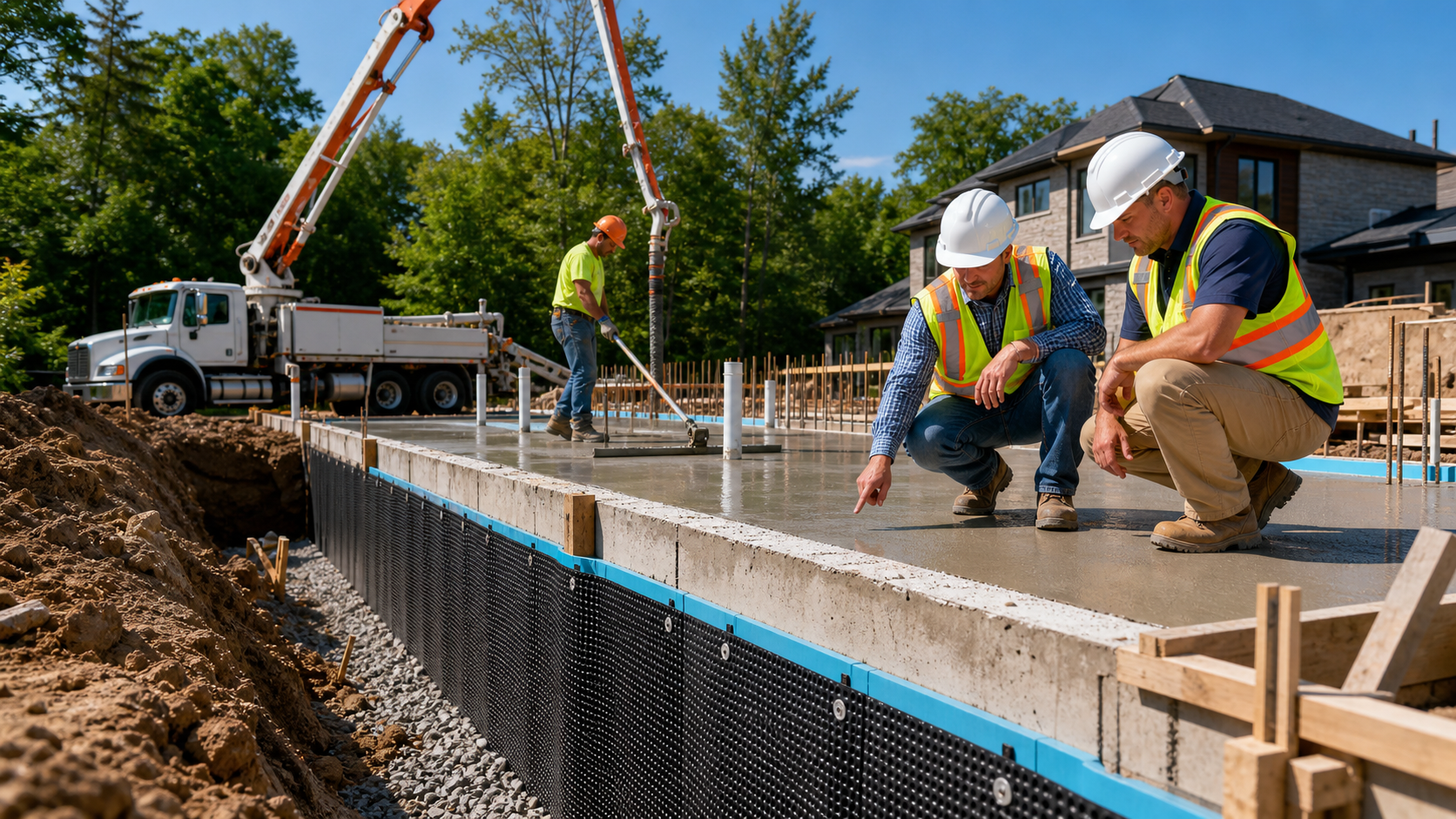
May is when outdoor project season really picks up. The ground has warmed up, the snow is long gone, and longer daylight hours make it easier to get big jobs started. It’s no surprise that this is when a lot of people reach out to a concrete construction company for help with new builds or repairs. Whether it is forming a base for a new structure or fixing damage from winter weather, this time of year sets the stage for solid work.
That does not mean every job looks the same or follows the same path. Weather in May can be a mix of sunshine and sudden storms, and that can shape the schedule. Some projects need extra prep if the soil is still drying out from spring rains. Others, especially large commercial jobs, take more time and planning to keep on track. Knowing what to expect helps things move smoothly, whether you are repairing a patio or starting a full-scale build.
Why May Is a Popular Time for Concrete Projects
There is a good reason concrete work often gets booked up fast in May. The end of spring usually brings just the right mix of conditions for planning and pouring.
- Ground temperatures are steady now, which helps concrete cure properly. It is not cold enough to slow things down, and not hot enough to cause cracks from quick drying.
- Rain can still pop up and delay things here and there, but with clear planning and smart timing, most crews can work around short disruptions.
- Many people aim to finish their outdoor projects by summer, so starting in May puts them on a good path to meet that goal. That includes new builds, repairs, and upgrades.
Whether it is residential or commercial, early spring is not always reliable for concrete work. By May, it is warm enough to get going and still early enough to meet tight summer timelines.
What Homeowners Should Expect During Small Residential Jobs
If you are planning smaller concrete work around your home, like redoing your driveway or fixing a sinking patio, May is one of the best times to jump in. By this point in spring, the soil has started to firm up again after months of wet weather, and crews can finally access backyards or side lots without dealing with mud or frozen patches.
- Most residential jobs in May include patios, sidewalks, steps, or maybe slab work under sheds or porches.
- If you have noticed uneven sections, cracks, or places where the ground seems to be shifting, it might be time to call a concrete construction company.
- Expect some early prep. Walk-throughs, soil checks, and forming are all part of the setup before any concrete gets poured.
It is common for homeowners to wait until the weather feels warmer, but at that point, calendars fill up fast. Starting these projects in early May helps you get things done without rushing into the heavy summer heat.
What Commercial and Larger Projects Involve
On the commercial side, concrete jobs often require more space, equipment, and time. May is the key month to kick off big-site work before heat and humidity cause slowdowns. Parking lots, warehouse floors, loading areas, and even large concrete walls usually begin around now, especially if they are tied to summer construction goals.
- Big jobs require heavy machinery, so the ground has to be firm enough to support it without sinking or sliding.
- Longer days and steady dry spells help with drying times, which is important on commercial builds that have tight schedules.
- Prep work on these sites can be more complex. That often includes drainage planning, dirt removal, safety fencing, and sometimes even road closures or access planning.
Large-scale projects depend on solid coordination upfront. May gives crews the chance to get ahead of more unpredictable summer weather and build momentum early.
Questions to Ask Before Your Project Begins
Before any concrete work starts, it helps to ask some straightforward questions. Doing so can help you understand what is needed and how the weather might play a part, not just for now, but for how the project will hold up over time.
- What kind of soil prep needs to happen before pouring begins? If your yard holds water after rain, that could affect the job.
- How long will the concrete take to fully cure? This may change based on temperature, thickness, and how the work will be used afterward.
- Are inspections or permits required? If so, does rain affect those inspections or when they can be scheduled?
Knowing these details keeps everyone on the same page and helps avoid surprises once the trucks show up and the work begins.
Keeping Your Project on Track Through Spring
May is one of the busiest times of the year for construction. That means there are not many extra days built into the schedule, which makes it more important to have everything lined up early.
- Concrete deliveries should be scheduled well in advance. Waiting too long can push the work out by days or even weeks.
- Spring storms can roll in quickly. Most crews prepare for that with flexible workdays, but downpours can shift timing.
- Staying in regular touch with your concrete construction company will help fix small delays before they grow into larger problems.
A little patience and some upfront planning can go a long way toward helping your project stay on track and finish on time.
What Concrete Companies Offer for Spring and Summer Work
King Waterproofing & Foundation Solutions serves West Central Illinois, Northeast Missouri, and Southeast Iowa, offering concrete leveling, structural repair, and site preparation for a wide range of project sizes. Our experience includes polyurethane foam leveling for sunken slabs, grading to improve drainage, and both new pour and repair services for homes and businesses. We work with each client to design solutions that match the needs and soil conditions of their specific property.
Planning ahead with a knowledgeable contractor is your best chance at a smooth build. Reliable teams take the time for thorough inspections so settling, drainage, or access issues are managed before concrete is poured.
Planning Ahead for the Best Results
Starting in May gives you a strong head start on outdoor builds that need dry, stable conditions. Whether it is from cracked driveways, leaning steps, or commercial footings that took a beating during the winter, this is the time to get ahead of problems.
- Getting eyes on possible damage from early spring can highlight issues before they become serious.
- Tackling the work now means you are not caught in the mid-summer rush when companies are already booked solid.
- Concrete poured in late spring tends to hold up better long term, since it has time to settle before facing freezing temperatures again.
May is all about taking advantage of the window between early thaw and summer heat. It gives you solid ground, good timing, and room to plan before the intense phases of building and remodeling hit. Starting strong this month can make a difference in how well your structures hold up for the rest of the year.
Spring is the perfect time to start building new spaces or repairing winter damage before your summer calendar fills up. May gives us an ideal window for everything from patios to larger structural projects while the ground is stable and weather conditions are favorable. When you are ready to work with a concrete construction company, King Waterproofing & Foundation Solutions is here to guide you through the process and deliver quality results. Reach out today to discuss your project and get scheduled.