
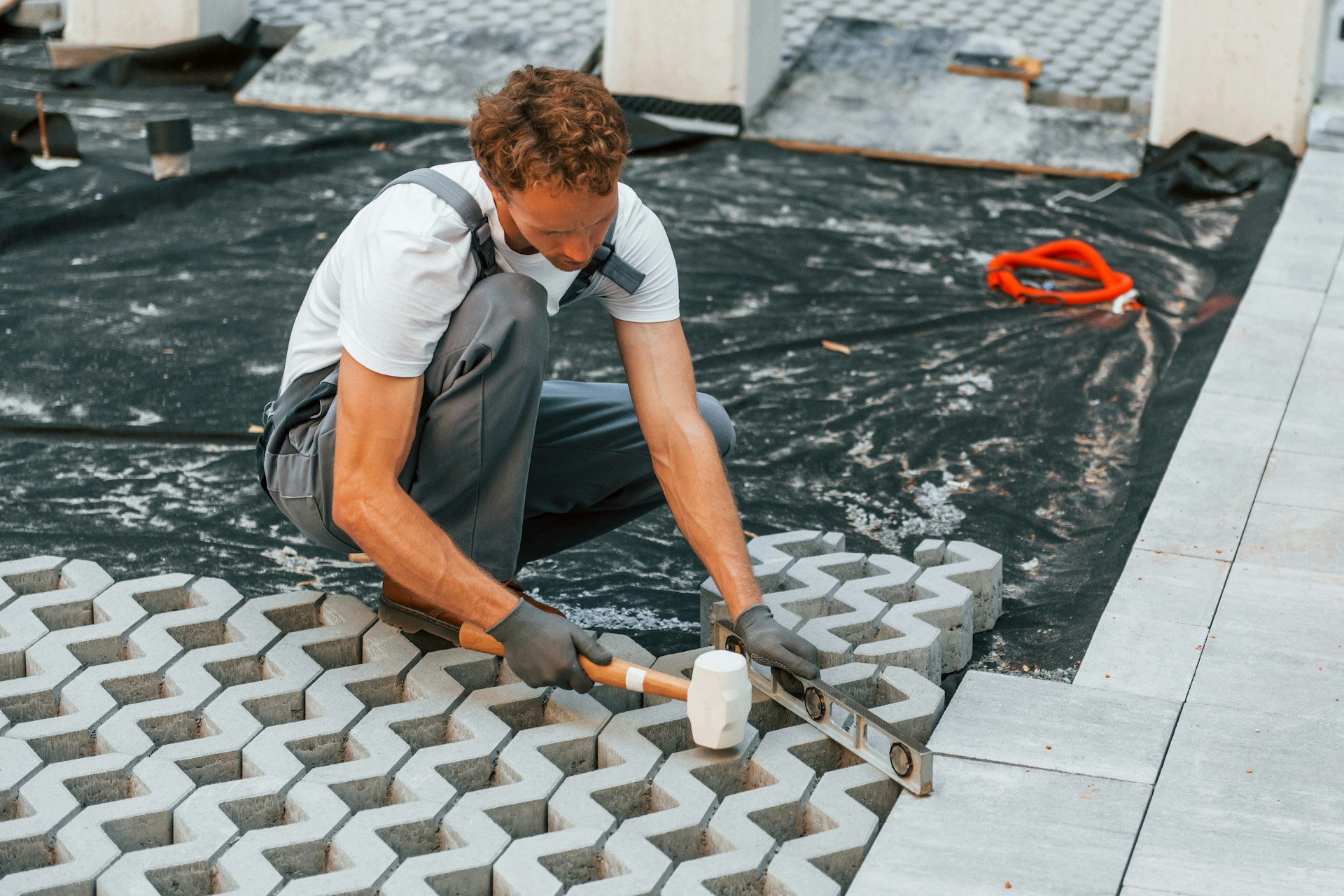
When cracks and dips start showing up in a driveway, it’s not just about looks. Those small signs often hint at bigger problems underneath. Heat, rain, and soil changes can cause surfaces to shift and crack, especially during the summer. By late July, with the ground drying out and heat settling in, those cracks can stretch faster than most people realize. That’s when many start searching for driveway repair contractors and wonder what a visit like that actually involves.
Getting help doesn’t have to be a mystery. Whether it’s a small residential property or a large commercial lot, there’s a clear process that helps pinpoint the problem and solve it. A repair visit isn’t just about fixing one crack. It’s about understanding what caused the damage and how to stop it from happening again.
First Look: What Happens Before Contractors Arrive
Most repair visits begin well before we’re on site. It usually starts with someone noticing changes in their driveway. This can mean:
- Small hairline cracks spreading across the surface
- Sections that feel soft, uneven, or sunken
- Water pooling near the base or not draining properly
Once these signs show up, it’s best not to wait. Damage from dry or shifting soil can get worse quickly during hot months. When someone reaches out, we’ll usually ask questions to get a clearer picture. Things like how long the problem has been there, what the surface feels like when walking or driving on it, and whether there has been any work done on it before.
On that first phone call or message, we may also ask for photos or notes about what’s visible. This gives us a better idea of where to start when we eventually visit the site. It helps guide the kind of inspection we do and narrows down possible causes.
If you’ve never gone through this process before, it can feel a little strange to send photos or explain what’s going on, but it really helps. Clear communication about what you’re seeing helps us come prepared and ensures we know what to look for right away. This way, we can make the repair process smoother and quicker.
On-Site Inspection: Checking the Condition of the Driveway
Once we’re on the property, the first step is a visual inspection. We walk the area carefully, looking for signs of wear, stress, or movement. We’re not just checking the surface. We’re looking for clues that tell us whether the issue starts above ground or deeper down.
Things we pay attention to include:
- Long or widening cracks that may show shifting below
- Soil near the driveway that has pulled away or stayed too wet
- Edges that slump or dip away from their original shape
We also take a wider view. Damage doesn’t always stay in one spot. If the driveway is close to a garage, sidewalk, or patio, we’ll check those areas too. A soft corner between a driveway and a garage slab could mean trouble hiding underneath.
Sometimes, puddling near the driveway tells us drainage isn’t working right. If water hangs around too long, it can weaken the base below the concrete or asphalt. Over time, that leads to uneven spots or full sections sinking.
Often, we will check how the driveway lines up with other hard surfaces in the area. Sometimes, cracking that seems random has a pattern that leads to the source of the problem. For instance, if you notice that cracks appear mostly after a big rain or right after a long dry spell, that’s a clue for us about how water and weather are affecting the surface.
We may also use simple tools to probe soft spots or tap sections of concrete to listen for hollow sounds underneath, which might signal washed-out soil. It’s all about gathering the right details so repairs can be done right the first time.
Planning the Right Fix
Finding the best fix means knowing what’s really going on under the surface. Driveways can have different issues depending on the ground, nearby structures, and how the area handles water. After we’ve looked things over closely, we begin figuring out what kind of repair will hold up best.
Some surfaces only need surface patches. These are usually for shallow cracks or spots that haven’t shifted much. Other times, we’re dealing with dips, soft spots, or larger shifts. These call for deep repairs like leveling or replacing sections of concrete.
Dry summer weather tends to make repairs a little smoother. The ground holds shape better and water doesn’t get in the way. We look at the soil’s firmness, check surrounding areas, and make sure the fix we’re considering makes the problem better instead of moving it somewhere else.
When we create a repair plan, we consider how long the area will need to cure before it can be used. We aim to schedule work around your needs as much as possible, especially for busy households or businesses. Making sure the repair lasts is our top focus, so we pick methods and materials suited to both the problem and the season.
We explain the plan and answer any questions before starting. It’s important for everyone to know what to expect, how the area will be used during repairs, and if any parts will need to stay off-limits for a while.
What to Expect During the Repair Visit
When it’s time for repairs, we bring tools that match the job. That can include drills, lifting tools, compaction gear, and mixers, depending on what the fix calls for. Most of what we do happens in sections. We work in parts so things stay neat and traffic around the area can still move if needed.
Here’s what a visit often includes:
- Prepping the area so it’s clear and safe to work
- Measuring and marking the spots we’ll be fixing
- Applying the repair method, whether it’s leveling, patching, or replacing
- Cleaning up and checking the surface before leaving
While it depends on the size and type of work, we try to keep it efficient. We also use materials and methods that stick better in hot, dry weather. That helps make the repair last without needing more fixes again soon.
We pay close attention to safety while we work. That means blocking off active repair zones and making sure the surface is smooth and strong before cars or people use it again.
If a job is expected to take more than a day, we’ll make sure you know where it’s safe to park or walk between work sessions. We do our best to minimize hassle and keep things clean. You won’t be left with a mess or confusion once the job is done.
Follow-Up and What Comes Next
Once the repair is done, we don’t just leave it there. We usually go over what caused the original problem and how to help prevent repeat issues. One thing we talk through often is water. Good drainage is one of the biggest ways to keep a driveway in good shape, especially during fast weather changes like summer showers followed by dry spells.
Driveways need a clear edge for water to move away from them. If water sits too close or soaks into soft ground, cracks tend to show up again. We also point out signs to watch for after a repair, like:
- New lines or breaks forming near the fixed area
- Loose soil or washing out near the base of the driveway
- Sagging or cracking at the edges
Depending on the work done, we may suggest a follow-up during another season. That second look helps confirm the repair is holding strong as the weather shifts from hot to cold.
Sometimes, after a repair, a bit of adjusting to how you use the driveway can make a big difference. Avoid parking heavy vehicles in the same spot for a while, and keep the area clear of clutter so water can flow away easily. We are always happy to check in again if any new concerns pop up later.
A Smoother Path Ahead
A repair visit isn’t just about filling in cracks. It’s about finding the reason they happened and making sure they don’t keep coming back. Summer is a common time for driveway damage to show up, but it’s also a smart time to fix it while the ground stays steady.
Understanding how a visit from driveway repair contractors works takes out the guesswork. From that first inspection to the last cleanup, we look at the full picture so surfaces stay strong and solid. A good fix today can save a lot of future problems, on both small homes and large commercial properties alike.
Seeing cracks, settling, or shifts in your driveway can be a sign of underlying problems like poor drainage or unstable soil, especially as summer temperatures rise. Surface issues may seem minor now but could lead to bigger concerns if not addressed soon. Our driveway repair contractors are ready to help you understand what’s going on beneath the surface and recommend the best solutions. Reach out to King Waterproofing & Foundation Solutions to schedule a visit and keep your driveway safe and stable.