
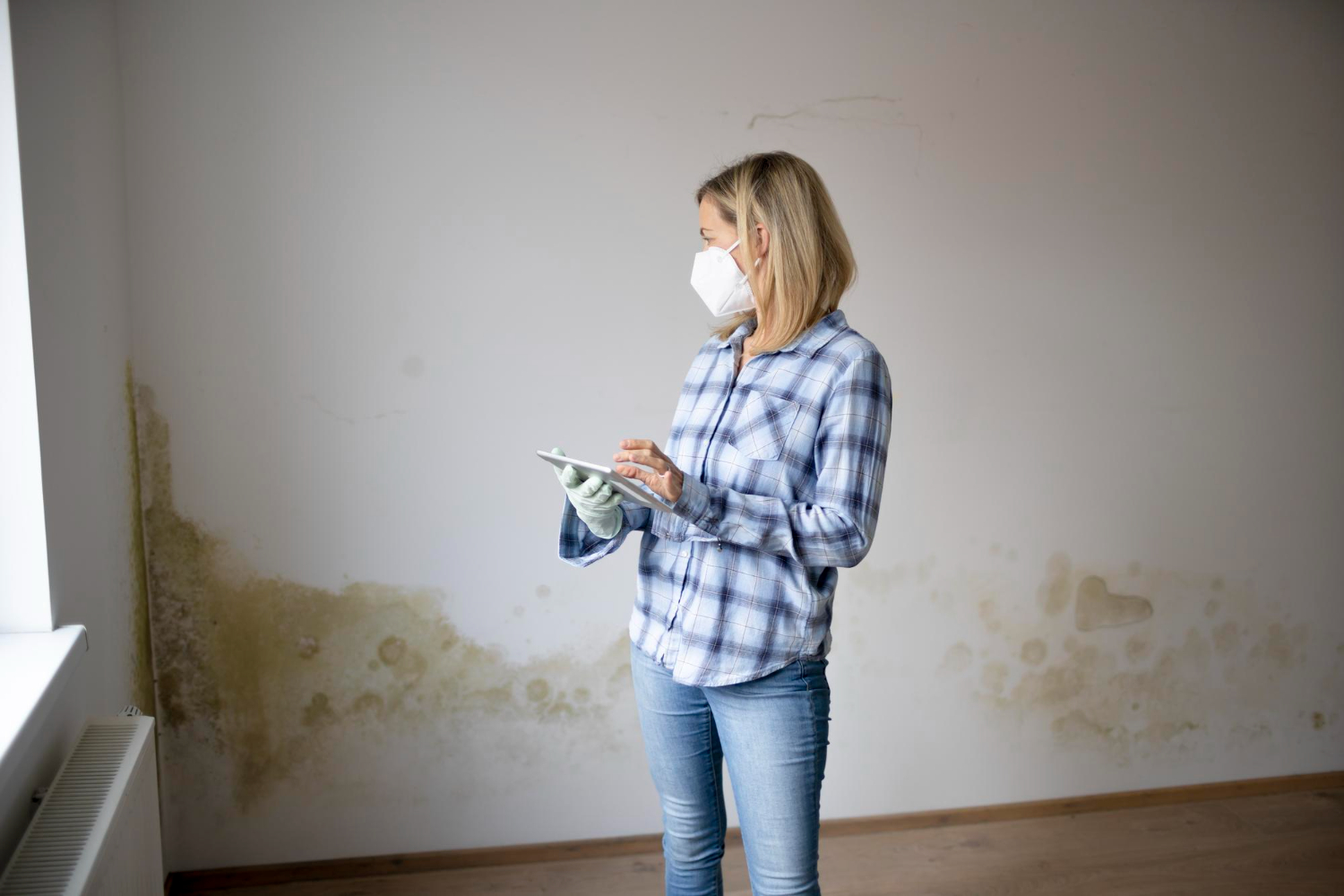
Damp indoor areas aren’t always easy to spot at first. But once the signs start to show — musty smells, discolored walls, peeling paint — it usually means there’s more going on beneath the surface. These types of issues are more than just cosmetic. Dampness can cause serious damage to a building’s structure and even impact the health of the people using the space.
From residential homes to commercial buildings, moisture can sneak in through basements, walls, or crawl spaces. No property is too new or too solid to remain unaffected if damp conditions build up over time. Being aware of the warning signs and acting early can make all the difference in keeping spaces dry and secure. That’s where support from King Waterproofing & Foundation Solutions comes in with professional moisture control service.
Common Causes Of Damp Indoor Spaces
The root cause of a damp indoor area often comes down to how a building interacts with air and water around it. Some issues build up slowly and quietly, which makes them harder to notice right away. Here are a few common causes of indoor moisture problems:
– Poor ventilation: When the air indoors doesn’t move well, moisture tends to linger in closed-off spaces like attics, closets, and basements.
– Gaps in insulation: In places with weak or patchy insulation, cooler surfaces attract condensation. Pipes, walls, and windows are frequent trouble spots.
– Leaks: Small pipe leaks, window seal failures, and old or cracked roofing materials will allow moisture to make its way inside.
– Ground moisture: Water coming from surrounding soil or under the structure can creep in through foundation cracks, crawl spaces, or unsealed concrete slabs.
Think of your home like a raincoat. If the seams or outer shell wear out, water finds its way inside. But in a building, trapped moisture doesn’t just disappear on its own. It hangs around, gets absorbed, and causes damage from the inside out. Pay attention to signs like musty odors, sticky air in certain rooms, or walls and ceilings with dark spots. These often signal a deeper issue.
Health And Structural Risks Of Dampness
Letting a moisture issue sit for too long affects far more than the appearance of your interior walls or flooring. Damp conditions can quietly erode both your property’s structure and your well-being. Here’s where things can go wrong if moisture builds up and sticks around:
1. Mold and mildew: These show up fast in damp spots. As they spread, they lead to poor air quality, aggravate allergies, and make rooms smell musty.
2. Structural damage: Water breaks down materials like wood, drywall, and concrete. Whether it’s rotten floor joists, soft wall studs, or a cracked foundation, these can all result from a slow moisture leak.
3. HVAC issues and energy costs: When indoor air feels cooler due to humidity, heating systems overwork themselves trying to adjust. That leads to higher bills and shorter HVAC life spans.
A common pattern begins with a single moist area in a lower level or near the base of a wall. Before long, that same space deals with mold, sagging drywall, or soft floorboards. If caught early, the fix may involve basic repairs. If ignored, future damage may call for full structural reinforcement or rebuilding sections of the home or building.
Professional Solutions For Moisture Control
Solving damp space problems doesn’t start with running a fan or scrubbing stains. It requires a deep look into where moisture is coming from and how it’s affecting the structure. The best contractors inspect both indoors and out. They check for pipe and roof leaks, test ventilation, and study how water and air move through the building.
Once the source is found, real repairs begin. Here’s what may be included in a professional moisture control plan:
1. Sealing cracks and entry points: Even tiny openings in basement corners, foundation walls, or around doors and windows can pull moisture in. Sealing those areas blocks entry before it turns into a bigger issue.
2. Installing drainage systems: These systems keep water from collecting near crawl spaces or foundations, which is a major step in reducing moisture buildup.
3. Improving ventilation and dehumidifying: Air that doesn’t move well lingers with moisture. Adding fans, ducts, or dehumidifiers in closed-off spaces can help fix the air and control indoor humidity levels.
4. Repairing damage: If wood, insulation, drywall, or other structures have already soaked up water, those materials need to be removed and replaced before mold spreads deeper.
There’s no blanket solution for damp issues. A leaky basement in a farmhouse may need a pump and new French drain, while commercial storage rooms could benefit more from better ventilation and panel sealing. Each property should be checked carefully. A full inspection ensures the problem is treated correctly from the start and helps prevent repeat issues.
Choosing The Right Moisture Control Service
With so many treatments and variables, it’s important to choose a service that understands both the problems and the environment. That includes a company that provides detailed assessments, recommends solutions based on specific needs, and has a track record of success.
When researching contractors, here’s what to look for:
– Full inspection with honest feedback: Contractors shouldn’t just patch the visible problem. A complete check helps locate any hidden trouble.
– Straightforward plan of action: After inspecting, the contractor should talk through the fixes so you know how the work will be handled and what to expect.
– Experience with residential and commercial spaces: Different types of properties have different vulnerabilities. Professionals who know how to handle both can offer the right kind of support.
Another benefit of going with an experienced team is knowledge of local conditions. Moisture problems look very different in winter-heavy states than they do in mild or rainy climates. Having a crew that knows your area and soil types helps create solutions that work long-term, rather than generic fixes that may fail as seasons change.
Keeping Your Home Safe From Dampness
Even the best repairs won’t matter if damp conditions aren’t kept in check over time. To make sure your space stays dry, a few routine habits can make a big difference. These tips will keep moisture from building up again once it’s been treated:
– Keep gutters and downspouts clear so water drains away from the structure.
– Check air quality regularly in basements and crawl spaces. A musty return of smell or sticky-feeling air can point to returning moisture.
– Apply weather sealing to all exterior windows and doors. Small drafts can bring moisture back into rooms.
– Schedule annual inspections, especially after heavy snow, storms, or long rainy seasons.
A homeowner in Missouri kept noticing paint peeling and soft patches forming in the same corner of their basement every year. They patched it up several times, only to watch it come back. After hiring a professional service for a full inspection, they found that moisture was seeping through a slab crack under the structure. Once it was sealed, along with a humidity adjustment, the dampness didn’t return.
It doesn’t take long for a small moisture issue to grow into a bigger repair bill. Paying attention to early warning signs and taking action quickly helps preserve your property before serious damage sets in. With the right plan in motion, dry, safe indoor spaces stay that way throughout the year.
To keep your property safe from the risks of moisture, it’s important to have a trusted strategy in place. If you’re looking to safeguard your basement or crawl space, explore our moisture control service offered by King Waterproofing & Foundation Solutions. We’ll ensure your spaces stay dry and secure, regardless of the season.