
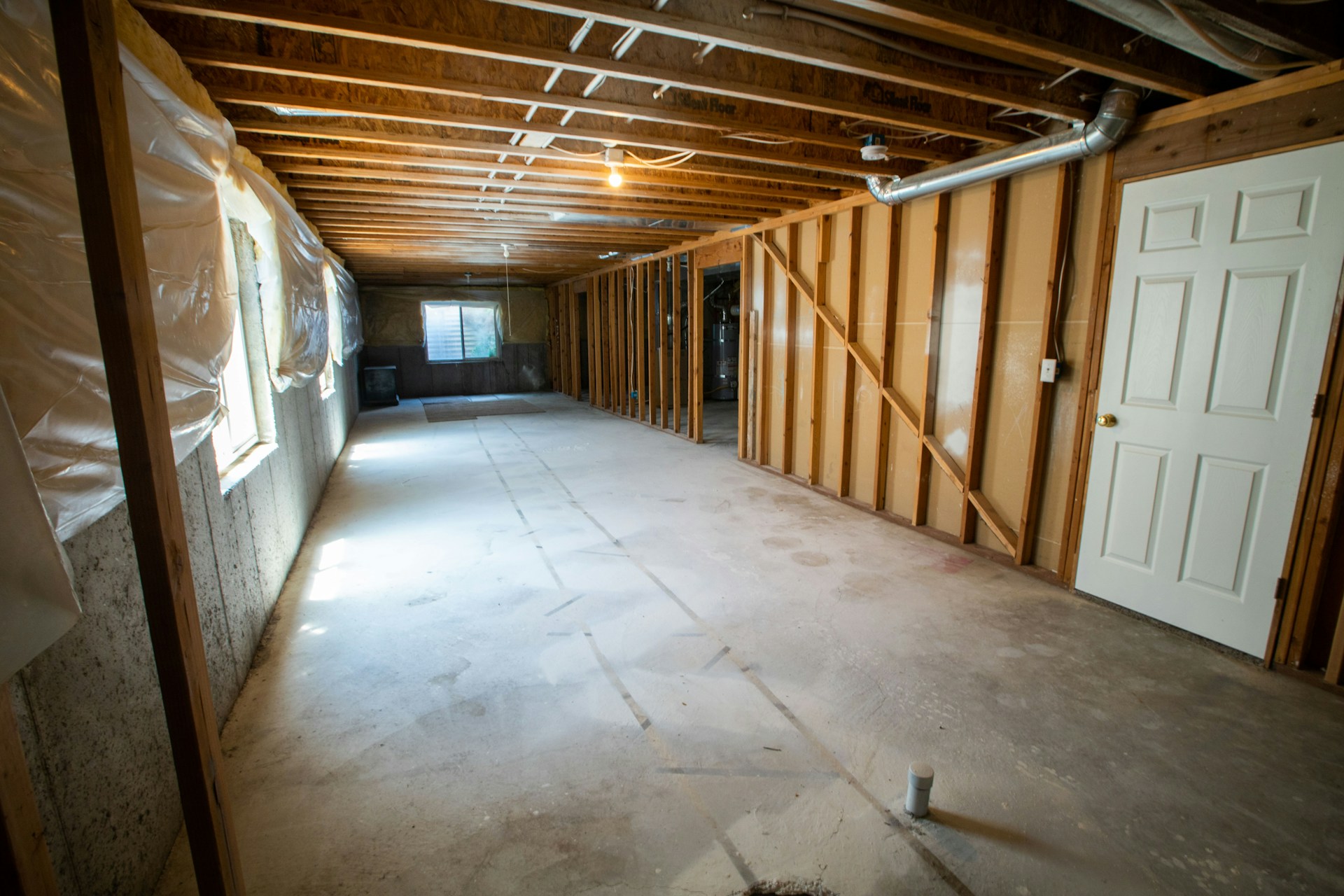
Summer storms don’t always give much warning. One minute it’s dry, and the next, rain is coming down in buckets. For homes or businesses with basements, that shift can cause real trouble. Water builds up around the foundation fast, and if there’s nowhere for it to go, it can sneak inside. That’s when problems start to show up: wet spots, musty smells, or worse.
Basement waterproofing is how we stay ahead of it. By keeping water outside where it belongs, we help protect the most vulnerable part of a building during heavy rain. Let’s take a closer look at how water gets in, what signs to watch for, and how the right systems can help stop it before damage takes hold.
Why Summer Storms Are Tough on Basements
Thunderstorms in summer don’t always roll in slow. When rain hits hard and fast, the ground can’t always keep up. It tries to soak in the water, but once it’s full or packed tight, the runoff has to go somewhere. That usually means straight toward the lowest point, often the basement.
- Water pushes against foundation walls with a lot of force when the soil gets saturated
- Cracks in the floor or walls become easy paths for water to slip through
- Even small gaps around window wells or basement entries can let rain seep in
- Older buildings often settle over the years, making it easier for water to find new ways inside
Low-lying areas or poor grading around a building can make it worse. If the land slopes toward the foundation instead of away from it, summer storms may flood the same places over and over.
Common Signs Water Is Getting In
It’s easy to miss the first sign of water until it becomes a bigger issue. But after a few summer storms, small problems become clearer. Even the smallest bit of water shows itself if you know what to look for.
- Water stains at the base of walls that weren’t there before
- A musty smell that hangs around long after a storm has passed
- Paint that flakes, bubbles, or peels near the foundation
- Mold growth, especially in corners or along lower walls
- Warped spots on wood floors or rust along metal surfaces, like appliances
These signs mean water found a way in, and it probably won’t stop. The next big storm could bring more of it. If left too long, the damage spreads, drywall gets soft, wood swells, and mold digs in deeper.
Sometimes the presence of water isn’t obvious at first. You might hear dripping sounds after a rain, feel an unexplained chill, or notice a cloudy look on windows or stored boxes. Over time, these small things add up and point to an underlying moisture problem. If you notice a persistent damp feeling underfoot or see that items stored on the floor seem to get mildew or discoloration, water is likely coming in from somewhere. Being aware of every little change makes it easier to spot and stop water before it causes more trouble.
How Basement Waterproofing Helps Fix the Problem
Once we know water is getting into a basement, the next step is blocking its path. Basement waterproofing works by keeping water from building up near weak spots and finding ways in.
- Drainage systems along the perimeter help pull water away from the foundation
- Sealants on interior walls or floors can close up small cracks and keep moisture out
- Sump pumps are placed in the lowest point of a basement to push collected water out before it rises
- Exterior solutions like grading adjustment or downspout extensions keep water from pooling near the walls
Every building is different, so waterproofing isn’t a one-size fix. A space with wall cracks needs something different than one with floor seepage. But across the board, the goal is the same: stop water from getting in before it brings damage with it.
Keeping up with simple basement maintenance, like checking if sump pumps work or cleaning out exterior drains, helps waterproofing systems do their job. Sometimes a regular look around the lowest level makes it easier to spot early problems that can be fixed before bigger storms roll through. If waterproofing is already in place, a quick inspection now and then can show if anything needs to be updated. That way, as storms become more common or severe during the summer, your property stays protected.
What This Means for Homes and Businesses
When the rain hits, we want to know that what’s downstairs is safe. Whether it’s a family’s holiday decorations or a business’s inventory shelves, what’s kept in the basement matters. And water doesn’t care what it ruins.
- Stored items like furniture, papers, or stock are quick to suffer in a damp basement
- Electrical panels, heaters, and water systems are often on the lower level, close to potential leaks
- Businesses can lose time, skip orders, or shut down part of operations due to flooding cleanup
- Mechanical systems exposed to repeated moisture may stop working or require replacement sooner
For buildings that rely on finished basements, water creates more than just a mess. It can bring noise, disruption, and long stretches of unusable space right when people need it most.
Families might face the hassle of moving items to higher shelves or dealing with ruined photo albums and keepsakes. Businesses with valuable inventory or equipment downstairs could deal with insurance claims, lost revenue, or lengthy cleanups after just one storm. Even if the space isn’t used every day, having to clear out water or replace damaged items is an extra burden nobody wants.
Getting ahead of these risks means thinking ahead about the whole property, not just the basement room by room, but the systems and valuables that could be affected if water gets in during a summer storm. Making sure basements stay dry helps everyone avoid that stressful scramble when the thunder starts rolling in.
Staying Dry When the Weather Shifts Fast
Summer weather brings fast-moving storms that don’t stick to a schedule. One dry week doesn’t mean the next one will be clear. That’s why keeping basements protected isn’t about convenience, it’s about preventing the damage before it starts.
King Waterproofing & Foundation Solutions installs customized basement waterproofing systems for homes and businesses in West Central Illinois. Our team uses drain tile, vapor barriers, and heavy-duty sump pumps tailored to the region’s soil and flooding risks. We inspect every property to recommend the right repairs, upgrades, or maintenance so you can avoid last-minute fixes as summer storms roll in.
When we catch signs early and take steps to block out water, the rest of summer goes a lot smoother. No surprise wet spots, no musty air, and far less risk to what matters downstairs. In the Tri-State region, where storms can roll across Illinois, Missouri, and Iowa in a single day, being prepared makes all the difference.
Basement waterproofing gives us that edge. It safeguards spaces that too often carry the brunt of storm damage and lets homes and businesses rest a little easier when the clouds roll in.
Noticing water stains, musty odors, or damp spots in your basement after a storm can mean hidden moisture problems that may lead to bigger issues over time. Our approach to basement waterproofing protects your lower-level spaces and keeps them dry and safe regardless of the weather. Schedule a foundation and moisture inspection with King Waterproofing & Foundation Solutions today.