
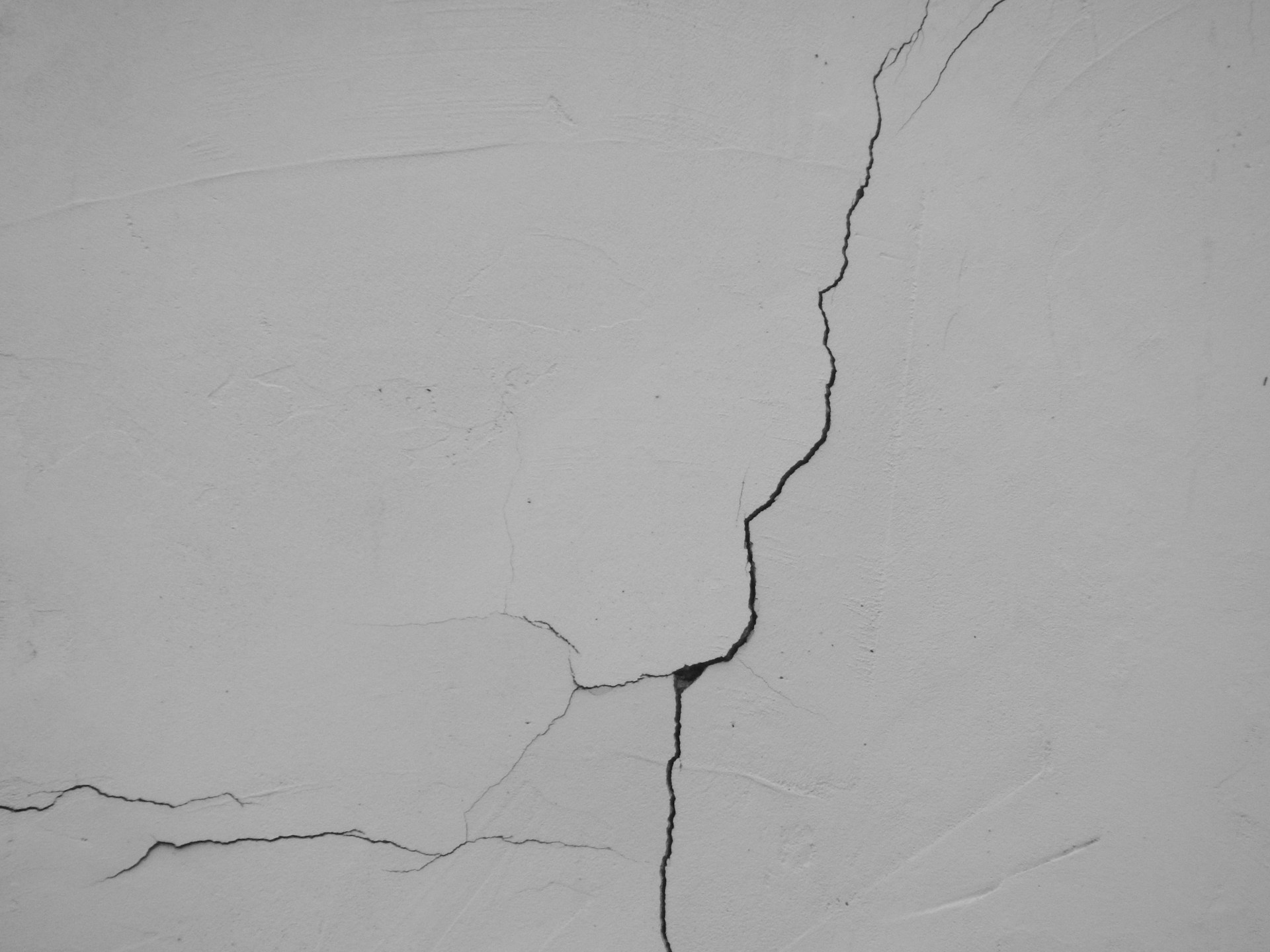
Spotting a crack in a foundation wall can immediately raise concern. For many homeowners, it’s hard to tell if it’s a small surface crack or a sign of a more serious problem. Heading into fall, those worries can grow. Soil movement, cooler nights, and heavier rain can all make things worse if foundation issues are already starting.
This time of year is a smart window to check for signs of damage and decide the best next step. For some, crack foundation repair may be all that’s needed. Others may face wider damage and need a full wall replacement. Understanding the difference between the two options makes it easier to act before winter slows things down.
How Foundation Cracks Start
Cracks don’t usually show up overnight. They happen over time as different pressure points work on the structure. In dry summers, soil shrinks and pulls away from the base of the home. Then, when the heavy fall rains arrive, that soil expands again. This constant shift puts stress on basement walls, especially older ones made from concrete block or poured concrete.
Other factors include:
- Loose or shifting dirt from past construction or settling
- Tree roots growing close to the home and pressing against the wall
- Poor drainage from gutters or slopes directing water toward the foundation
Not every crack means big trouble. But when we see cracking patterns, or run into new ones that weren’t there a few months ago, it’s smart to take a closer look now, before they grow worse in cold weather. Even small cracks can worsen over time, especially when there are changes in temperature or rainfall that put more stress on your home’s base.
Sometimes cracks can also show up after nearby construction activity or excavation, as these can disturb the settled soil around your foundation. If you see a new crack or widening gap, pay attention to other changes happening in your basement or along the exterior walls.
When Crack Repair Is the Right Call
There are many cases where crack foundation repair is the better and faster option. If the cracks are thin (often referred to as hairline) and not leaking water or causing the wall to bend, the structure may still be stable. We sometimes see stair-step cracks in block walls or vertical cracks in poured walls that look concerning but are safe to repair without having to rebuild.
In these cases, fixes might include:
- Injection materials that fill cracks and prevent future leaks
- Carbon fiber strips to reinforce cracked walls that haven’t shifted
- Sealing and patching when there’s no water but signs of surface pressure
When the wall hasn’t moved and the foundation still sits level, repair is often enough. Acting early keeps the damage from spreading or leading to leaks later in the season. Keeping an eye out for changes, such as more frequent damp spots or a musty smell in the basement, can help catch crack problems before they require more dramatic solutions.
It’s good to remember that some small cracks are caused by normal shrinking and settling of new concrete and may never become a bigger problem. But if it looks like water is seeping in through a crack, even if it’s thin, a repair can help protect your home from moisture problems down the road.
Signs That a Wall May Need to Be Replaced
Sometimes damage is too far along for crack repair to work. If walls are starting to lean in or out, or if horizontal cracks are wide and getting worse, that’s a red flag. A wall that bows under the pressure of wet soil or shows signs of crumbling may no longer be strong enough to hold the weight of the floor or resist water.
You might need more than repair if you see:
- Deep horizontal cracks or spaces where mortar has broken apart
- Water coming through the wall during storms
- Pools forming inside the basement
- Walls that appear to tilt, bulge, or shift when viewed from the ground up
If the wall is noticeably bowing or pushed inward, that means the soil pressure on the outside has become too much for the wall to handle. In those cases, the whole structure of the home can be at risk if the wall is not replaced. Heavy rain, freeze and thaw cycles, and improper drainage can all push a weakened wall beyond its limit.
When walls have already moved or lost their structure, replacements become the safer route. Ignoring those signs can lead to higher moisture levels indoors, more surface damage, or problems with framing above the foundation.
If you notice any windows or doors nearby that start sticking or won’t close right, that can point to bigger shifting in the foundation. Gaps at the top or bottom of the basement wall, especially ones that change shape, are also signs that a simple crack fix may not be enough.
What Happens During Wall Replacement
If a foundation wall must be replaced, the process involves removing damaged sections and rebuilding them with stronger materials. This might mean taking out a full basement wall or working in stages depending on how much of the wall has failed.
Typically, this work includes:
- Temporary support of the home’s structure
- Careful removal of old wall sections
- Installation of new footings and improved drainage lines
- Pouring or building new walls that won’t shift under pressure
Fall is better than winter for this kind of work, since frozen soil or heavy ice can make digging harder and cause project delays. Working while the soil is still workable helps things move faster, and helps prevent added stress to parts of the foundation that haven’t failed yet.
During a wall replacement, it’s normal to need equipment for digging, bracing, and safely moving sections of wall. New drainage pipes or waterproofing membranes can also be added as part of the work to help stop moisture issues from returning in the future.
After replacement, the area around the foundation is usually regraded so water flows away from the house. This extra care helps protect the new wall from being exposed to higher risks of foundation movement right after the work is finished.
Making the Right Call for Long-Term Stability
Deciding between crack repair and full foundation wall replacement depends on what the wall is showing now, and how long it’s been showing it. Surface cracks, while concerning, can sometimes be more about wear than actual movement. But once we see bowing, heavy leaks, or signs the wall can’t support its load, replacement may be necessary.
The right solution also depends on soil type, weather patterns, and how well previous repairs held up. If the problem comes back over and over, repair may not be enough. Spotting the early signs now, before colder temperatures settle in across West Central Illinois, Northeast Missouri, and Southeast Iowa, helps us act while we have control over conditions. Whether it’s crack foundation repair or a full wall replacement, making the right call now helps protect the home as we head into the colder seasons.
Looking at every part of the foundation is important. Sometimes a crack is only a symptom of a bigger problem in the soil or drainage around your home. Making a good decision now, when there’s time to address root causes, makes it less likely that repairs will be needed again next year. Good recordkeeping on cracks, such as noting when and where new ones appear, also helps us spot trouble spots before they get worse.
Keeping up with regular checks, cleaning out gutters, fixing slopes that aim water toward the house, and paying attention to how the basement smells or feels are all simple ways to avoid facing bigger fixes later on.
Small foundation cracks can turn into big problems fast, especially with cold weather on the way. Noticing new lines in the basement wall or spots where water is starting to show might mean it’s time for us to take a closer look. We often find that early signs are a good match for simple fixes like crack foundation repair, which can stop damage from spreading. At King Waterproofing & Foundation Solutions, we’re here to help you figure out what your home really needs before the seasons shift. Call us today to get started.