
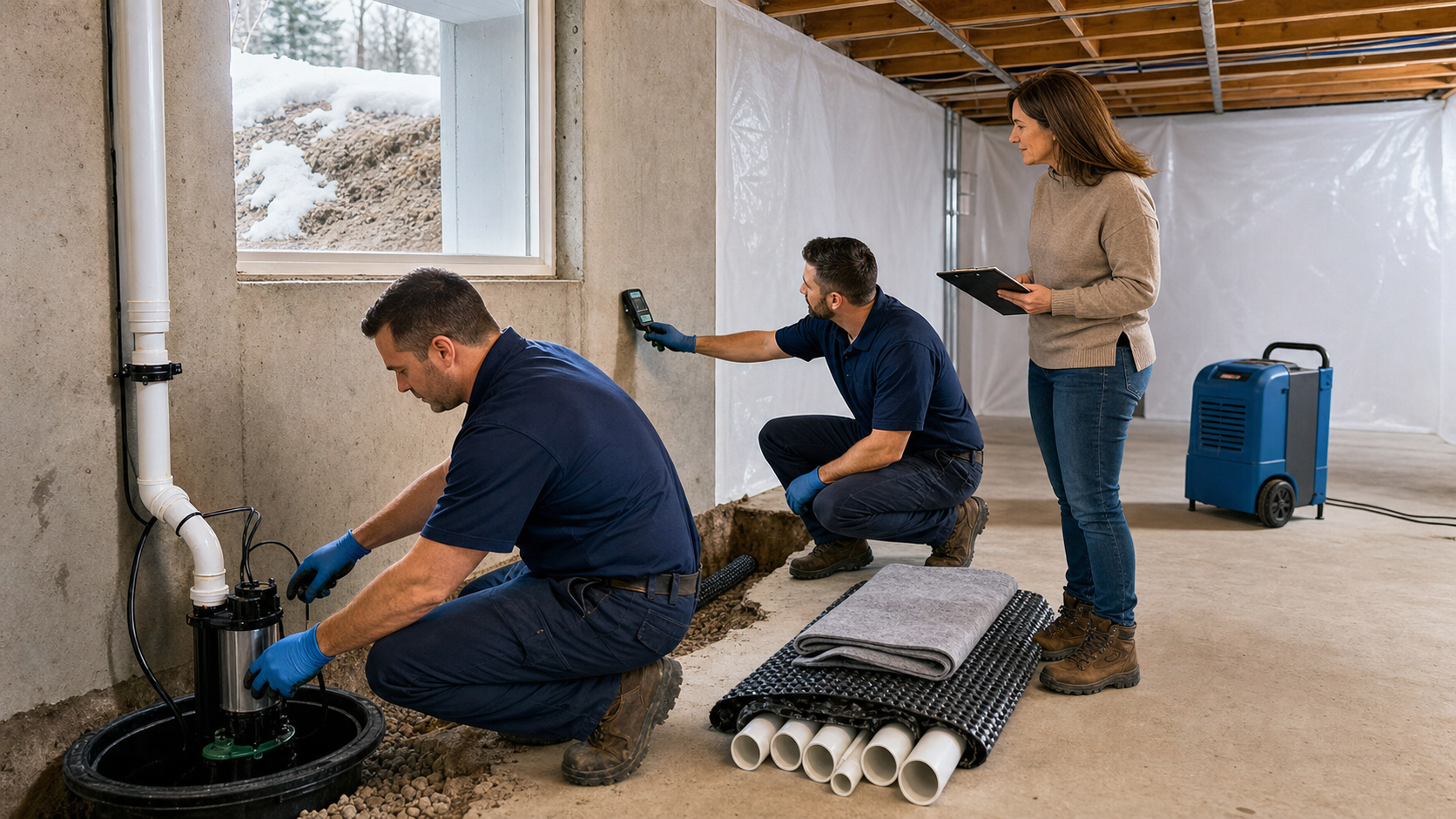
In Quincy, IL, spring doesn’t just bring warmer weather. It also brings a big shift underground. After months of freezing, snow starts to melt, and April rains move in. That combination adds a lot of moisture to the soil around our homes, especially near basements. When the ground gets this wet, it can cause issues like cracks, musty smells, or even standing water in lower levels. That’s when many people realize they may need help with foundation repair in Quincy, IL.
So why is spring especially rough on basements here? Some of it has to do with how the weather changes quickly, and some of it comes down to what’s happening beneath our feet. Either way, it’s smart to know what to look for so small problems don’t turn into costly ones later on.
How Spring Weather Hits Quincy Homes
As temperatures start warming up in April, snow melts fast. That sudden rush of water has to go somewhere. If the soil surrounding a home is already packed or poorly drained, it can’t absorb the moisture quickly enough. This means more water pressing up against basement walls.
- April and May are the wettest months in Quincy, and storms can drop a lot of rain at once
- The ground is slow to dry out since the sun is still mild and the nights can be chilly
- Older homes are more likely to have weaker foundations or outdated waterproofing systems
All of this matters because wet soil doesn’t just sit quietly. It expands and shifts, putting pressure on basement walls from the outside. If the walls can’t take that pressure, or if they have small cracks already, that water finds a way in.
The important thing to notice here is that water doesn’t always make an obvious path into your house. Sometimes, it’s working on weak spots for weeks before you see any issues inside. Homes with heavy clay soil, for example, often see more pressure during these months because the soil swells a great deal when wet. Houses built on hills might see water run toward one side of the foundation, causing uneven pressure or leaks in unexpected spots. These seasonal changes come back year after year, making every spring a time to double-check how your basement is holding up.
The Way Water Finds Its Way Inside
Water doesn’t need a big opening to get into a basement. It only needs a path that lets it move in little by little. Those paths usually form where construction seams meet or where the ground has shifted during winter freezing.
- Cracks in walls or floors may look minor but can absorb water quickly after rainfall
- Door frames, window wells, and low window sills can allow leaks if they aren’t sealed well
- Soil that doesn’t drain properly increases water pressure near the foundation
Over time, water can sneak in and start to affect air quality, insulation, and stored items. By the time you notice puddles, the issue has already reached your living space. Wet drywall and damp carpet can grow mold within days. That’s why keeping moisture out before it gets in is always better than reacting later.
Even if you don’t have finished rooms in your basement, these water paths matter. Wet concrete can still cause musty smells, lead to mold, or damage items kept in storage. Some people find that items left on the floor start to soften or become stained after a wet spring. Where small leaks go unchecked, larger structural problems can develop, including the shifting of basement walls or sagging flooring above.
Signs You Might Have a Basement Water Problem
Not every sign of a water problem is obvious. It’s not always a big puddle or a dripping pipe. Some of the early warnings are easier to miss unless you know what to watch for.
- A strong, musty smell is one of the first signs that there’s too much moisture
- If wall paint is bubbling, flaking, or stained, it could mean water has soaked through the surface
- In finished basements, soft drywall or thick carpet that feels damp can mean the problem is growing
Sometimes people see white or chalky powder on concrete walls. That happens when water seeps through and leaves behind mineral salts. It’s not harmful, but it’s a clear sign that moisture is moving through your foundation. These problems usually don’t fix themselves, and each season adds more pressure to the system.
You might even spot small spots of mold on wood trim or behind boxes left near basement walls. Wood that swells, doors that don’t close right, or cold, damp floors may all be clues that moisture is building up. If your basement windows fog up even on cool days, or if you find rusty spots on metal shelving, these are also clues that water is getting where it shouldn’t.
Why Spring Is the Right Time to Fix Foundation Issues
When spring hits, there’s still time to catch foundation trouble before summer storms make things worse. This is when the ground is soft enough to work with but not soaked like it will be in May or June. That sweet spot gives us just enough time to find and fix early problems.
- Hairline cracks from winter often show up now, and they’ll grow if they’re not handled
- Rainwater in spring comes often, so each storm makes the problem more visible
- Foundation repair in Quincy, IL during spring helps keep your home safer all year
We always tell people the same thing: a dry winter doesn’t mean the basement is in the clear. The freeze and thaw cycle can do just as much harm as heavy rain. Spring is the perfect time to get ahead of it before moisture becomes a more serious problem.
Another reason this season is important is that repairs are easier to schedule before contractors get busy with late spring and summer jobs. Materials used for sealing need the right temperatures to cure, and early spring provides the calm conditions needed before the heavy rain begins. Handling repairs now keeps the work less invasive and often less expensive than putting it off.
Protecting Your Home Before It Gets Worse
Once the ground is fully saturated and storms start rolling in weekly, water has a lot more chances to work its way inside. Catching the trouble early keeps everything from paint to floorboards in better shape.
- Repairs made in early spring help stop water before it causes wall damage or mold
- Sealing up trouble spots keeps basement air cleaner and healthier
- Preparing now gives us time to look at the full picture, not just the most obvious leak
King Waterproofing & Foundation Solutions uses high-strength crack sealing technology for residential foundations throughout Quincy, IL, and can combine waterproofing with structural repairs. Our team specializes in customized drainage solutions, designed to address problems unique to older properties that have seen repeat spring flooding. We often recommend early-season repairs so customers can avoid the need for excavation or major inside restoration once water starts causing visible damage.
When spring wraps up, we want our homes to feel lighter and safer, not musty or damp. Fixing water issues early is the best way to hold onto peace of mind throughout the wet season ahead. Taking care of these problems now saves stress later, when you just want to enjoy a quiet summer without worrying about your basement every time it rains.
Noticing cracks, damp smells, or water pooling in your basement this spring can be a warning that moisture is getting in where it shouldn’t, especially with the rainy season on the way. We know how spring weather can impact older homes in Quincy, IL, and fast action now can help prevent costly repairs later. To see how we handle foundation repair in Quincy, IL, contact King Waterproofing & Foundation Solutions today.